
Creating a butterfly-friendly landscape in Gastonia, NC is a wonderful way to support local ecosystems while enjoying the beauty of these vibrant insects. We’re going to guide you through the process.
HOW TO CREATE A BUTTERFLY LANDSCAPE
Creating a butterfly landscape can turn your garden into a haven for these delicate creatures, providing them with the necessary resources to thrive. Follow these steps to design a garden that will attract and sustain butterflies throughout the seasons.
CHOOSING THE RIGHT PLANTS
The foundation of any butterfly garden is the selection of plants. Butterflies are attracted to a variety of nectar-rich flowers and host plants for their larvae. Some native plants to consider include:
- Milkweed (Asclepias spp.): Essential for monarch butterflies, milkweed serves a
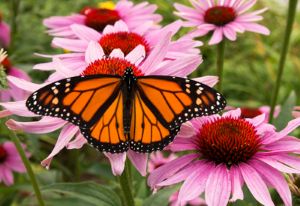 s both a nectar source and a host plant.
 - Coneflower (Echinacea spp.): These vibrant flowers attract a varietyof butterfly species with their nectar.
- Black-eyed Susan (Rudbeckia hirta): A hardy, drought-tolerant plant that provides nectar.
- Blazing Star (Liatris spp.): Known for its tall spikes of purple flowers, which butterflies love.
- Joe-Pye Weed (Eutrochium spp.): Another native plant that provides nectar for butterflies.
- Aster (Symphyotrichum spp.): Late-bloomingasters provide nectar in the fall.
What exactly are “native” plants? A native plant is a plant that grows naturally in a specific region or ecosystem. Native plants have evolved and adapted to the climate, soil, and other plants and animals in that area. They provide nectar, pollen, and seeds that feed butterflies, birds, insects, and other animals.
CREATING A HABITAT
 Beyond just planting flowers, it’s important to create a hospitable environment for butterflies:
- Sunny Spots: Butterflies need warm, sunny areas to bask and fly. Make sure your garden has plenty of sun exposure.
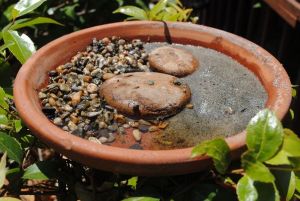
- Water Sources: Provide a shallow water source, such as a birdbath with rocks, for butterflies to drink and bask.
- Shelter: Plant shrubs and tall grasses to offer shelter from wind and predators.
- Host Plants: Include specific host plants for caterpillars to eat and grow. For example, plant parsley, fennel, and dill for swallowtail caterpillars.
MAINTAINING YOUR GARDEN
Maintaining a butterfly garden involves a few key practices:
- Avoid Pesticides: Pesticides can harm butterflies and their larvae. Use organic gardening practices instead.
- Watering: Keep your plants healthy with regular watering, especially during dry spells.
- Deadheading: Remove spent flowers to encourage new blooms and prolong the flowering season.
- Mulching: Use mulch to retain moisture and suppress weeds.
SEASONAL CONSIDERATIONS
In the Piedmont area of North Carolina, it’s important to consider the seasonal needs of butterflies:
- Spring: Plant early-blooming flowers to provide nectar for butterflies emerging from hibernation or migration.
- Summer: Ensure a variety of plants are in bloom to support adult butterflies.
- Fall: Late-blooming plants like asters and goldenrods provide nectar for migrating butterflies.
- Winter: Leave some leaf litter and plant debris in your garden to provide overwintering sites for butterfly larvae and pupae.
By following these guidelines, you can create a butterfly-friendly landscape that not only supports the local butterfly population but also adds beauty and biodiversity to your garden. Enjoy the colorful flutter of these pollinators as they visit your garden ! If you have an interest for us to visit your Gastonia, NC property for a free consultation about lawn care, contact us today at (704) 813-2545. Click here to contact us via email.